
Advanced Ceramic Applications Overview
Pharmaceutical Industry
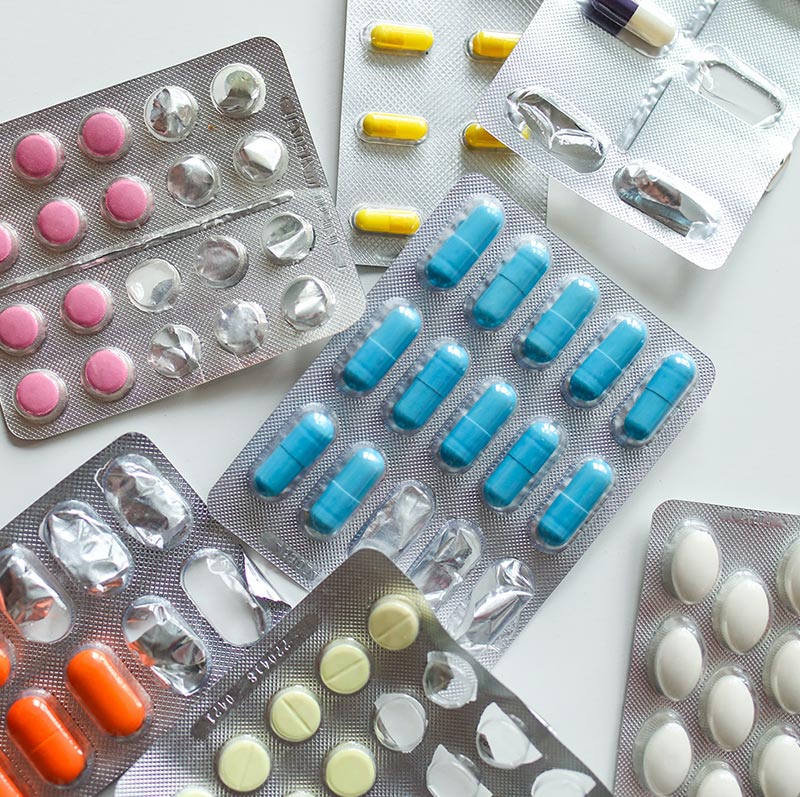
Cryogenic reactions are widely used in the pharmaceutical industry. Temperatures of approximately -80 degrees Celsius are sufficient to meet most cGMP requirements, but extreme temperatures pose a challenge for equipment components. Only a few bearing materials are suitable for use at low temperatures and high speeds. Extremely low temperatures significantly increase the viscosity of the lubricant, and this increase in viscosity can make the bearing difficult to rotate and thus fail. In addition, the use of corrosive solvents and chemicals in the production process becomes a new threat to the equipment. All-ceramic bearings will be a good solution to these problems. Ceramics are non-porous and therefore virtually frictionless, meaning that all-ceramic bearings require no lubricant to operate. In addition, ceramic materials are highly resistant to corrosion.

Petrochemical Industry
High-pressure mud pump is the heart of oilfield drilling mud system, responsible for transporting mud downhole. Cylinder liner is the key component of the mud pump, which is the most wearable component due to the relative reciprocating motion of the cylinder liner under high pressure for a long time. The traditional cylinder liner is made of metal material, which has poor wear resistance and short service life. As the human beings’ exploitation of global oil and gas resources continues to expand, a large number of metal cylinder liners are frequently replaced to ensure that the rig’s high-pressure and strong abrasion requirements. Heavy physical labour, and high transport and storage costs have become a real problem. The new ceramic cylinder liner is hard and wear-resistant, with strong resistance to acid and alkali corrosion, and is suitable for drilling environments with deep oil reservoirs and harsh geological structures, as well as offshore oil and gas development. Compared with metal cylinder liner, ceramic cylinder liner has the advantages of high life span, wear resistance, corrosion resistance, high pressure resistance, high temperature resistance, high strength and high hardness. Ceramic cylinder liners can reduce the cost of drilling work.
Semiconductor
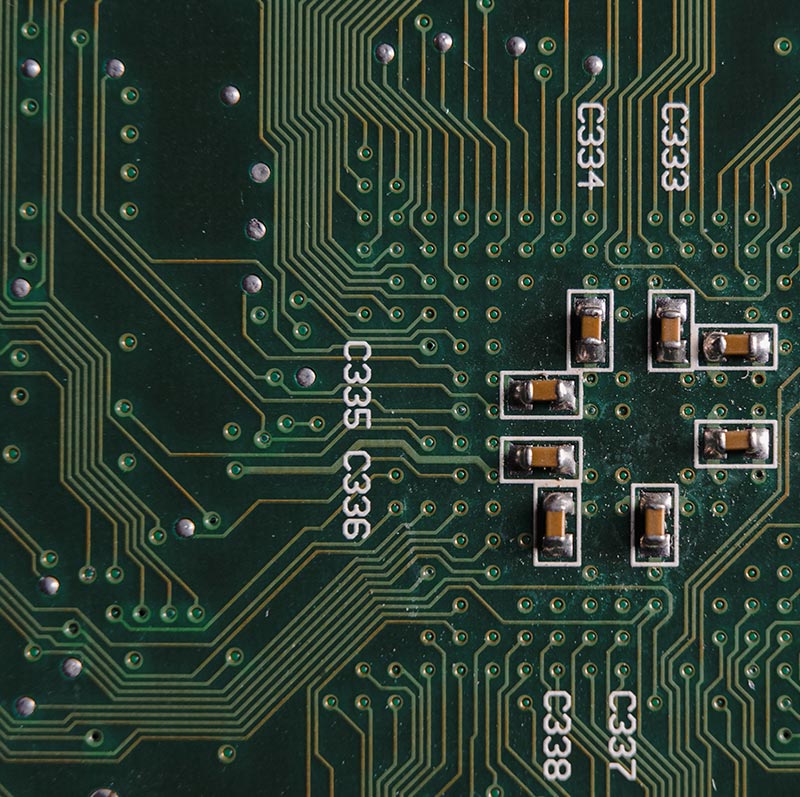
Ceramic materials are becoming an important part of the semiconductor field. Alumina is one of the most widely used ceramic materials in the semiconductor industry, and its main characteristics include high hardness, high strength, wear and corrosion resistance. In addition, alumina ceramics have excellent insulating properties and thermal stability. In the semiconductor industry, alumina ceramics are widely used in packaging, heat dissipation and electronic ceramics. Silicon nitride is a new type of ceramic material, whose main features include high strength, high hardness, heat resistance and corrosion resistance. Silicon nitride ceramics are widely used in heat dissipation, encapsulation, and optical devices. Silicon carbide is another common ceramic material. In the semiconductor industry, silicon carbide ceramics are mainly used in wafer processing, heat dissipation, packaging and so on.
Lithium Cell
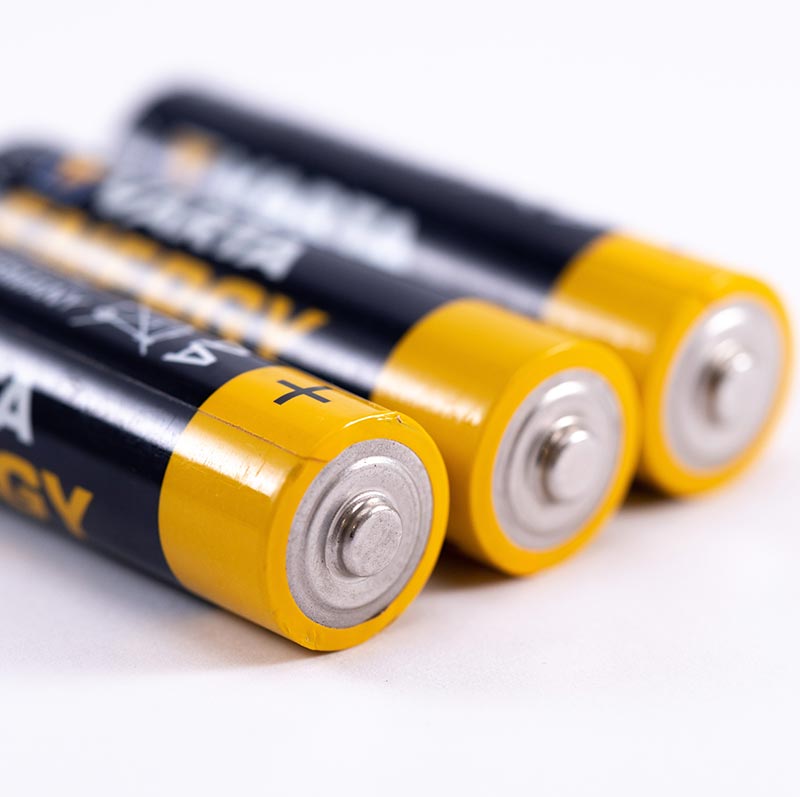
In the lithium cell industry, ceramic materials play an important role in the production chain. Some of these materials directly become electrode and diaphragm materials, some become packaging materials, and some become auxiliary materials in the production process. In terms of positive electrode, high-purity ultra-fine alumina can be used as an additive material for battery cathode. In terms of negative electrode, silicon carbide powder can be compounded with graphite, carbon nanotube and nano-titanium nitride to make negative electrode material for lithium battery, which can improve the capacity and service life of lithium battery. In the sealing link of lithium battery, the electronic ceramic ring the size of a coin is an important part of the new energy electric vehicle, which is used to form a sealed conductive connection between the power battery cover and the pole.
Machinery Industry
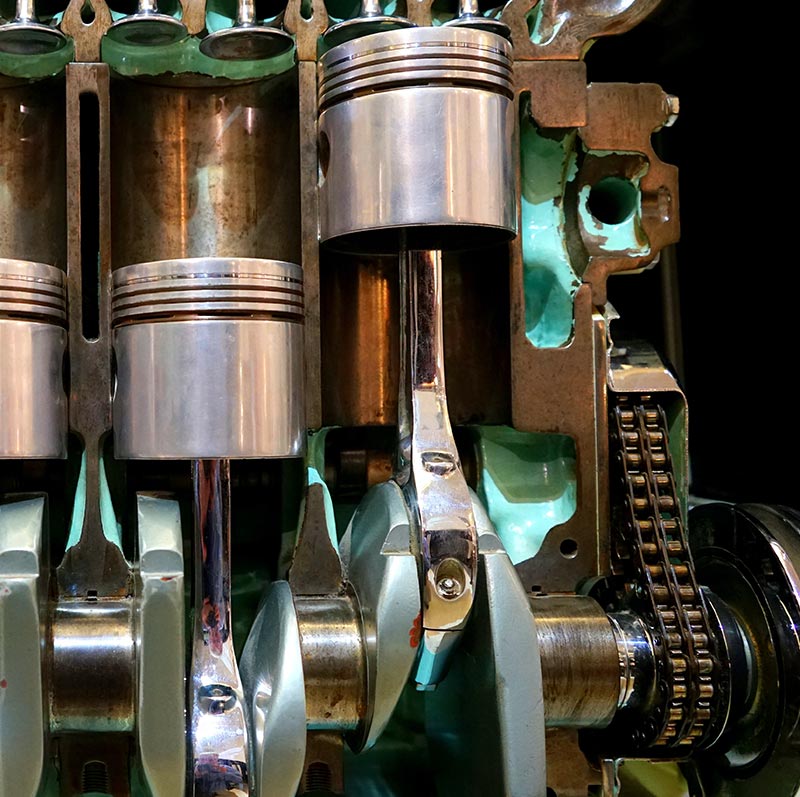
High-purity alumina wear-resistant ceramic sheet with alumina content of 92% and 95% has excellent mechanical properties due to its super abrasion resistance, impact resistance, strong corrosion resistance, high hardness, etc. It is now widely used in equipment in cement, iron and steel, thermal power, coal, smelting, chemical industry, ports, mines, etc. It has become a way to prolong the life of machinery and equipment and to reduce the operating costs of enterprises. In the field of machining, ceramic materials have high hardness, wear resistance and red hardness, small affinity with steel, good chemical stability, when the cutting temperature is higher than 800 ℃, the strength and hardness of the traditional cutting tool blade drops dramatically, and wear increases. Ceramic materials 1200 ℃ can still be normal cutting, so in the high-speed high-temperature dry cutting occupies a great advantage. Ceramic materials are widely used in high manganese steel, high chromium, nickel, molybdenum alloy steel, cold hard cast iron, etc., and has been widely used in automotive gears, flywheels, shafts, bearings, rolls, moulds, cylinder liners and other parts processing, solving the cutting and processing of high hardness hard-to-machine materials in various industries.

Precision Instrument
Precision ceramics are made using tightly controlled ingredients and specific processes. In the semiconductor industry, semiconductor equipment requires a large number of precision ceramic components. Because ceramics have the advantages of high hardness, high modulus of elasticity, high wear resistance, high insulation, corrosion resistance, and low expansion, they can be used as parts for silicon wafer polishing machines, heat treatment equipment, photolithography machines, deposition equipment, semiconductor etching equipment, ion implantation machines, and other equipment. Ceramic robot arm made of alumina ceramics is used in the handling of wafer silicon wafers. Silicon wafers require high-temperature heat treatment during production, and factories often use silicon carbide fixtures for transport. Due to its heat-resistant, non-destructive characteristics and the ability to apply coatings such as diamond-like (DLC) to the surface, damage to the wafer can be mitigated while preventing the spread of contamination.